
Understanding Submersible Sewage Water Pumps: Essential Insights for Industrial Applications
2025-06-14
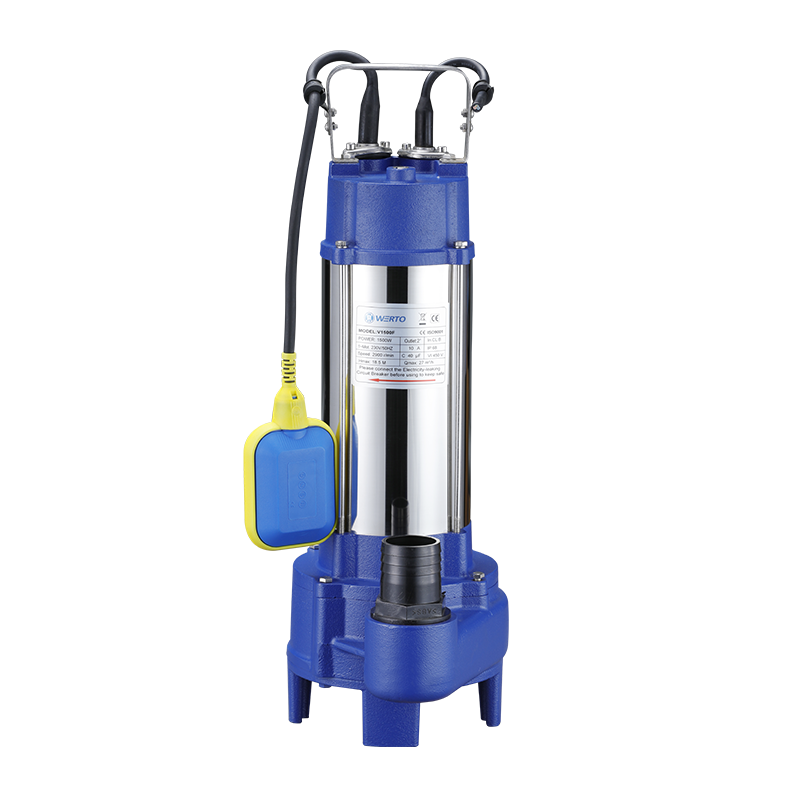
One of the primary benefits of submersible sewage water pumps is their efficiency in managing wastewater. These pumps are engineered to handle solids and debris commonly found in sewage, such as toilet paper, food scraps, and other waste materials. This capability reduces the risk of clogging, allowing for continuous operation without the need for frequent maintenance. Additionally, their submersible design helps to minimize the risk of flooding by efficiently transferring wastewater away from critical areas.
The construction of submersible sewage pumps typically involves durable materials such as stainless steel or cast iron, which provide resistance against corrosion and wear. These materials ensure the longevity of the pump, reducing replacement costs over time. Moreover, many models come equipped with built-in float switches that automate the pump's operation based on the water level, allowing for efficient waste management without constant oversight.
When selecting a submersible sewage water pump for industrial applications, it is essential to consider several factors. Firstly, the pump's horsepower is critical, as it determines the flow rate and the ability to handle solids. Additionally, evaluating the total dynamic head (TDH) is necessary to ensure the pump can overcome the gravitational forces and friction losses in the piping system. Furthermore, understanding the specific application—such as whether the pump will be used for continuous operation or for intermittent service—will also guide your selection process.
Regular maintenance of submersible sewage water pumps is vital for their performance and longevity. Routine inspections should include checking for wear and tear, ensuring that the impeller is free from debris, and testing the electrical components. Proper care can significantly extend the life of the pump and prevent unexpected failures that can lead to costly downtime.
In conclusion, submersible sewage water pumps play a critical role in the effective management of wastewater in industrial settings. By understanding their functionality, features, and maintenance requirements, professionals can make informed decisions that enhance operational efficiency and reduce costs in waste management systems. Investing time in selecting the right pump and adhering to a maintenance schedule will ensure that these essential components operate effectively for years to come.
Other blog
Permanent Magnet Pump: High-Efficiency, Seal-Less Fluid Transfer Solution
Permanent magnet pump is a highly efficient, seal-less pump using magnetic coupling for leak-free fluid transfer in industrial and chemical systems
Solar DC Brushless Irrigation Water Pump – Efficient, Eco-Friendly, and Reliable Watering Solution
Solar DC Brushless Irrigation Water Pump offers efficient, eco-friendly water delivery for farms, gardens, and remote irrigation systems
In modern water supply and fluid transportation systems, the stainless steel centrifugal water pump has become an increasingly important solution for applications requiring durability, hygiene, and long-term operational stability. With growing demand across residential, agricultural, and industrial sectors, this type of pump is widely recognized for its ability to deliver consistent performance under challenging working conditions.
Quick Links
Product

Social Media


Parent Company:TAIZHOU WERTO IMPORT AND EXPORT CO.,LTD Head Office:
ROOM06,5FLOOR,UNIT2,#3TIMES BUILDING.NO.115 JIULONG AVENUE WENLING ZHEJIANG CHINA
Factory:TAIZHOU WERTO MECHANICAL AND ELECTRICAL CO.,LTD
Address:No.20 Building,Zeguo Industrial Zone,Wenling,Zhejiang,China