
Understanding Submersible Sewage Pumps: Essential Insights for Industrial Applications
2025-07-02
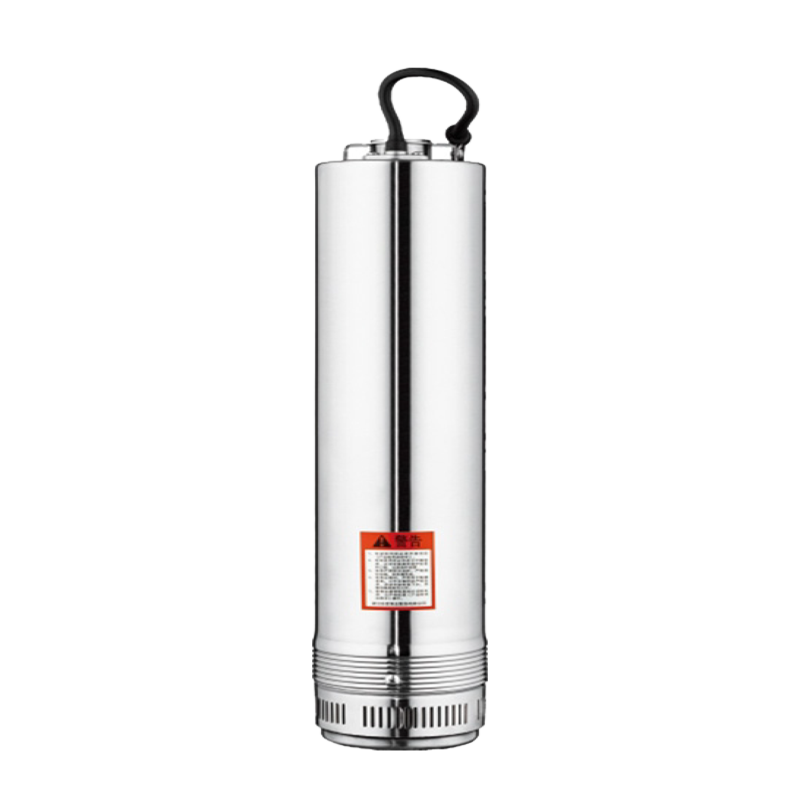
The primary advantage of submersible sewage pumps is their ability to handle both solid and liquid waste. Equipped with durable impellers and robust construction, these pumps can manage a variety of debris, including solids up to a specified size, depending on the model. This feature is crucial in preventing clogs and ensuring continuous operation, thereby reducing downtime and maintenance needs.
Another important aspect to consider is the pump's power source. Most submersible sewage pumps operate on electricity, which allows for efficient performance. However, backup power solutions should also be considered to ensure uninterrupted operation in case of power outages. The choice of motor type, whether single-phase or three-phase, can also impact the efficiency and performance of the pump, depending on the specific application requirements.
When selecting a submersible sewage pump, professionals should evaluate factors such as flow rate, head height, and the specific type of sewage being processed. Understanding the total dynamic head (TDH) is crucial, as it includes the vertical lift and any friction losses in the pipe. Additionally, materials used in the construction of the pump are significant; corrosion-resistant materials are preferred for environments where the pump will be submerged in aggressive liquids.
Installation and maintenance are critical components in the lifecycle of submersible sewage pumps. Proper installation ensures optimal performance, while regular maintenance, including inspection of seals and impellers, can extend the pump's lifespan. Furthermore, understanding local regulations regarding wastewater management and disposal ensures compliance and promotes environmental responsibility.
In summary, submersible sewage pumps play a vital role in effective wastewater management across various industrial applications. By understanding their functionality, capabilities, and maintenance needs, professionals can make informed decisions that enhance operational efficiency and environmental compliance. It's essential to stay informed about advancements in pump technology and best practices to ensure that systems remain effective and reliable.
Other blog
Permanent Magnet Pump: High-Efficiency, Seal-Less Fluid Transfer Solution
Permanent magnet pump is a highly efficient, seal-less pump using magnetic coupling for leak-free fluid transfer in industrial and chemical systems
Solar DC Brushless Irrigation Water Pump – Efficient, Eco-Friendly, and Reliable Watering Solution
Solar DC Brushless Irrigation Water Pump offers efficient, eco-friendly water delivery for farms, gardens, and remote irrigation systems
In modern water supply and fluid transportation systems, the stainless steel centrifugal water pump has become an increasingly important solution for applications requiring durability, hygiene, and long-term operational stability. With growing demand across residential, agricultural, and industrial sectors, this type of pump is widely recognized for its ability to deliver consistent performance under challenging working conditions.
Quick Links
Product

Social Media


Parent Company:TAIZHOU WERTO IMPORT AND EXPORT CO.,LTD Head Office:
ROOM06,5FLOOR,UNIT2,#3TIMES BUILDING.NO.115 JIULONG AVENUE WENLING ZHEJIANG CHINA
Factory:TAIZHOU WERTO MECHANICAL AND ELECTRICAL CO.,LTD
Address:No.20 Building,Zeguo Industrial Zone,Wenling,Zhejiang,China